

No products in the cart.
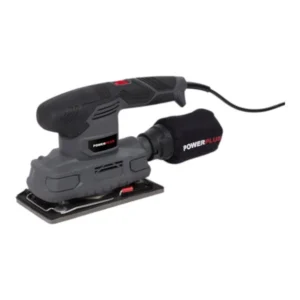
Powerplus Finishing Sander | 180w

Powerplus Finishing Sander | 180w
R604.00
The Powerplus Finishing Sander is a powerful and versatile tool for achieving smooth surfaces on various materials. With a robust 180W motor, it features a convenient hook & loop system for quick sandpaper changes, along with traditional paper clamps. The included dust bag helps maintain a clean work area, and the sander comes with 5 pieces of sandpaper to get you started immediately.
Powerplus Finishing Sander | 180w Details:
- Product Name: Powerplus Finishing Sander
- Power: 180W (Watt)
- Sanding Mechanism: Finishing sander
- Sandpaper Attachment:
- Hook & Loop System: For fast and easy attachment/removal of hook & loop sandpaper.
- Paper Clamps: Traditional clamping system to secure standard sheets of sandpaper.
- Features:
- ON/OFF Switch: Standard power switch for operation.
- Dust Bag: Removable dust collection bag to minimise airborne dust and keep the work area cleaner.
- Included Accessories: 5x Sandpaper sheets.
- Brand: Powerplus
- Colour: Grey and black with red accents.
- Application: Ideal for fine sanding on wood, plaster, and other materials, preparing surfaces for painting, varnishing, or polishing.
What’s In The Box? 1 x Powerplus Finishing Sander | 180w 1 x Dust Bag 5 x Sandpaper Sheets
SKU: POWE40010
The Powerplus 180W Finishing Sander is a versatile and user-friendly tool designed to produce a smooth, professional finish on a variety of surfaces. Its powerful 180W motor provides consistent sanding performance, while the dual sandpaper attachment system—featuring both a modern hook & loop system and traditional paper clamps—gives you the flexibility to use a wide range of sandpaper types. This sander is an ideal tool for any DIY enthusiast or professional who needs to prepare surfaces for painting or finishing. The integrated dust bag helps to keep your work area clean, and the inclusion of five sandpaper sheets means you can get to work right out of the box.
Powerplus Finishing Sander | 180w Benefits and Features
- Efficient 180W Motor: Provides ample power for consistent and effective sanding, making quick work of various projects.
- Dual Sandpaper System: The combination of a hook & loop system and paper clamps offers maximum flexibility, allowing you to use both modern pre-cut sandpaper and standard sheets cut to size.
- Effective Dust Collection: The included dust bag captures a significant amount of the sanding dust, helping to keep your workshop cleaner and promoting a healthier working environment.
- Comfortable Operation: The ergonomic design with a comfortable grip allows for better control and reduced user fatigue during extended use.
- Ready-to-Use: Comes complete with 5 sheets of sandpaper, so you can start your project immediately without needing to purchase additional consumables.
- Versatile Applications: Perfect for fine finishing on wood, smoothing plaster, removing paint, and preparing surfaces for a final coat.
- Durable Construction: Built with a sturdy body to withstand the demands of regular use.
Steps to Follow For Using the Powerplus Finishing Sander
Preparation:
- Safety First: Always wear appropriate Personal Protective Equipment (PPE), including safety glasses to protect your eyes and a dust mask to protect your lungs from fine dust particles.
- Attach Sandpaper:
- Hook & Loop: Press the sandpaper with the hook & loop backing onto the sanding pad.
- Paper Clamps: Release the clamps at the front and back of the sanding pad, slide a sheet of sandpaper in, and clamp it down securely.
- Attach Dust Bag: Ensure the dust bag is securely attached to the sander's dust port.
- Secure Workpiece: Clamp the material you are sanding to a stable workbench to prevent it from moving.
Sanding:
- Switch On: Turn the sander on using the ON/OFF switch.
- Contact Surface: Place the running sander flat onto the surface of the workpiece.
- Move Steadily: Move the sander slowly and evenly across the surface. Do not apply excessive pressure, as the weight of the sander is usually sufficient. Let the tool do the work.
- Change Paper: Change the sandpaper when it becomes clogged with dust or when the abrasive surface is worn down.
- Finish: Once the surface is sanded to your satisfaction, turn the sander off before lifting it from the workpiece.
After Use & Storage:
- Empty Dust Bag: Empty the dust bag after each use to maintain efficient dust collection.
- Clean: Use a clean cloth to wipe down the sander and remove any residual dust.
- Store Safely: Store the sander in a clean, dry place, away from moisture and out of reach of children.
A Few Scenarios Where the Product Can Be Used:
- Woodworking: Smoothing wood surfaces, sanding down edges, and preparing furniture for staining or painting.
- Home Renovation: Sanding plasterboard walls before painting, or preparing trim and moulding.
- DIY Projects: Restoring old furniture, sanding down doors, or preparing craft projects.
- Paint Stripping: Lightly sanding to remove old paint or varnish.
Other Products You May Need to Complement Your Sanding Work
Health and Safety
- PPE is Crucial: Always wear safety glasses and a dust mask to protect yourself from airborne particles.
- Ventilation: Work in a well-ventilated area to reduce the concentration of dust in the air.
- Electrical Safety: Ensure the power cord is in good condition. Never use the sander in wet or damp conditions.
- Secure the Workpiece: Always clamp your workpiece to prevent it from shifting unexpectedly.
- Disconnect Power: Disconnect the sander from its power source before changing sandpaper or performing any maintenance.
- Keep Hands Clear: Keep hands and fingers away from the sanding pad while the tool is running.
- Correct Usage: Use the tool only for its intended purpose. Avoid applying excessive pressure, which can damage the tool and the workpiece.
- Read the Manual: Always read and follow all safety instructions provided by the manufacturer.
Want to know more about proper sanding and grinding techniques? Click on this link to get more info.
Additional information
| Weight | 1.455 kg |
|---|---|
| Dimensions | 30 × 11 × 18 cm |





Best sellers
-

Plain Wood Cube (7cm x 7cm x 7cm)
R16.00 -
Dual Purpose Casting Resin 1L with Hardener
R240.01 -
Delft Black Crystal Glass Mosaic Tiles (Sheet Size: 15cm x 15cm)
R29.00 -
Activator D | Pool Treatment for Algae
R199.00 -
Aqua Mix Crystal Glass Mosaic Tiles (Sheet Size 30x30cm)
R76.00 -
Wood Cube Block Letter A (7cm x 7cm x 7cm)
R16.00 -
Mockana Sugared Grapefruit Diffuser Refill
R299.00 -
Horizon Blue Mix Glass Mosaic Tile (Sheet Size: 15x15cm)
R21.00 -
Tamara Polystyrene Cornice 100x140mm
R57.01 -
Wood Cube Block Letter E (7cm x 7cm x 7cm)
R16.00







Reviews
There are no reviews yet.