

No products in the cart.
Starke Ayres Calendula Pacific Beauty | 2g
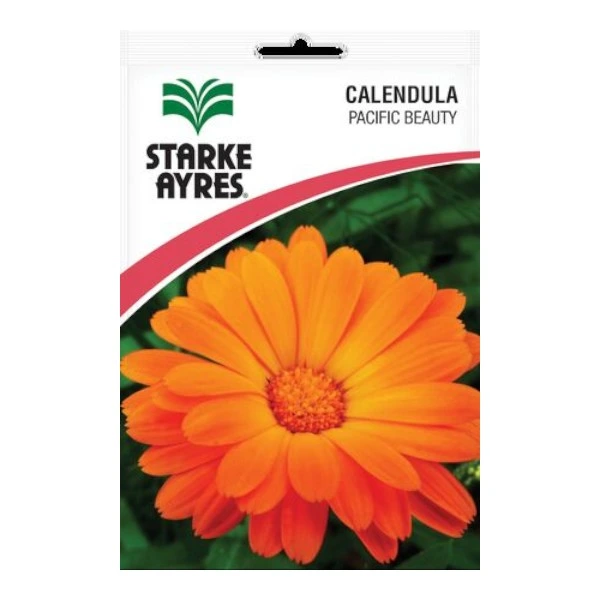
Starke Ayres Calendula Pacific Beauty | 2g
R34.01
Grow vibrant and cheerful blooms with Starke Ayres Calendula Pacific Beauty seeds. This 2g pack promises beautiful flowers in 10 to 14 weeks after a 7 to 14 day germination period. Ideal for autumn and winter sowing, these plants will reach a height of 45cm, adding a splash of colour to your garden.
Starke Ayres Calendula Pacific Beauty | 2g Details:
- Product Name: Starke Ayres Calendula Pacific Beauty
- Seed Quantity: 2g
- Type: Flower seeds
- Botanical Name: Calendula officinalis (commonly known as Pot Marigold)
- Colour: Pacific Beauty blend (typically includes shades of orange, yellow, and cream, often with contrasting centres)
- Germination Time: 7 to 14 days
- Weeks to Flowering: 10 to 14 weeks
- Sowing Depth: 45cm
- Ideal Sowing Conditions: Autumn and winter (in the specified climate, Hartbeespoort, Gauteng, South Africa, this would generally be April to August).
- Plant Height: 45cm
- Growth Habit: Upright, bushy.
- Flower Type: Large, often double or semi-double blooms.
- Sun Requirements: Full sun to partial shade.
- Pest & Disease Resistance: Generally robust, but can be susceptible to aphids and powdery mildew in poor conditions.
- Uses: Garden beds, borders, containers, cut flowers, edible petals, companion planting.
What’s In The Pack? 1 x Starke Ayres Calendula Pacific Beauty | 2g seed packet
SKU: FGCW C PB
Bring warmth and cheer to your garden with the Starke Ayres Calendula Pacific Beauty seeds. This popular annual is renowned for its vibrant, daisy-like flowers in shades of orange, yellow, and cream, often with darker centres. Easy to grow and incredibly rewarding, Calendula 'Pacific Beauty' is an excellent choice for beginner gardeners and seasoned enthusiasts alike. It thrives in cooler conditions, making it perfectly suited for autumn and winter sowing in the South African climate, providing a burst of colour when many other plants are dormant.
Starke Ayres Calendula Pacific Beauty | 2g Benefits and Features
- Vibrant Autumn/Winter Colour: Provides cheerful blooms in shades of orange, yellow, and cream, brightening up garden beds and containers during cooler months.
- Fast Growing: Germinates within 7-14 days and flowers within 10-14 weeks, offering quick results for eager gardeners.
- Easy to Grow: Calendula is known for its hardiness and adaptability, making it suitable for gardeners of all experience levels.
- Good for Cut Flowers: The long stems and beautiful blooms make them excellent for fresh floral arrangements.
- Attracts Pollinators: The bright flowers are a magnet for bees and other beneficial insects, promoting a healthy garden ecosystem.
- Edible Petals: Calendula petals are edible and can be used to add colour to salads, rice, or as a natural food dye.
- Companion Plant: Known to deter certain pests and attract beneficial insects, making it a great companion for vegetables.
- Compact Height: Reaches a manageable height of 45cm, fitting well into various garden designs, including borders and pots.
Steps to Follow for Sowing Starke Ayres Calendula Pacific Beauty | 2g
Preparation:
- Choose Location: Select a spot in your garden that receives full sun to partial shade. Ensure well-draining soil.
- Prepare Soil: Loosen the soil to a depth of about 15-20cm. Incorporate some compost or well-rotted manure to improve fertility and drainage.
- Water Soil: Lightly water the area a day before sowing to ensure the soil is moist but not waterlogged.
Sowing the Seeds:
- Direct Sowing (Recommended): Calendula generally prefers to be direct sown.
- Sow seeds thinly, about 0.5 - 1 cm deep (as 45cm is likely a typo for depth, using standard calendula depth) in rows or broadcast over the prepared bed.
- Space seeds approximately 15-20cm apart, or if broadcasting, thin seedlings to this spacing once they are a few centimetres tall.
- Cover Seeds: Lightly cover the seeds with a fine layer of soil or vermiculite.
- Water Gently: Gently water the sown area using a fine spray to avoid displacing the seeds.
- Maintain Moisture: Keep the soil consistently moist (but not waterlogged) during the germination period (7-14 days).
After Germination:
- Thinning: Once seedlings are a few true leaves old (around 5-10cm tall), thin them to their final spacing of about 20-30cm apart to allow for proper air circulation and growth.
- Watering: Water regularly, especially during dry spells, but avoid overwatering.
- Feeding: Calendula is not a heavy feeder, but a balanced liquid fertiliser can be given once a month during the flowering period.
- Deadheading: Regularly deadhead (remove spent flowers) to encourage continuous blooming and prevent self-seeding.
A Few Scenarios Where the Product Can Be Used:
- Flower Beds and Borders: Add continuous colour to garden beds and the front of borders.
- Container Gardening: Ideal for pots and planters on patios, balconies, or window boxes.
- Vegetable Gardens: Use as a companion plant to attract pollinators and deter pests.
- Cut Flower Gardens: Grow specifically for fresh bouquets for your home.
- Edible Gardens: Harvest petals for culinary uses in salads or as a garnish.
Other Products You May Need For Your Gardening Project
Health and Safety
- Always wear gardening gloves to protect your hands.
- Wash your hands thoroughly after handling seeds and soil.
- Store seeds in a cool, dry place, out of reach of children and pets.
- While Calendula petals are edible, ensure plants are grown in areas free from pesticides or harmful chemicals if intended for consumption.
- Be mindful of sun exposure while gardening; wear sunscreen and a hat.
- Sowing Depth Note: As highlighted, the given 45cm sowing depth is highly unusual for Calendula and likely a typo. Standard sowing depth for Calendula officinalis is very shallow (0.5 - 1 cm). Planting too deep will prevent germination.
Want to know more about maintaining your garden tools? Click On This Link
Additional information
| Weight | 0.2 kg |
|---|---|
| Dimensions | 15 × 10 × 1 cm |





Best sellers
-

Plain Wood Cube (7cm x 7cm x 7cm)
R16.00 -
Dual Purpose Casting Resin 1L with Hardener
R240.01 -
Delft Black Crystal Glass Mosaic Tiles (Sheet Size: 15cm x 15cm)
R29.00 -
Activator D | Pool Treatment for Algae
R199.00 -
Aqua Mix Crystal Glass Mosaic Tiles (Sheet Size 30x30cm)
R76.00 -
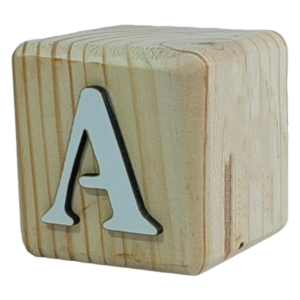
Wood Cube Block Letter A (7cm x 7cm x 7cm)
R16.00 -
Mockana Sugared Grapefruit Diffuser Refill
R299.00 -
Horizon Blue Mix Glass Mosaic Tile (Sheet Size: 15x15cm)
R21.00 -
Tamara Polystyrene Cornice 100x140mm
R57.01 -
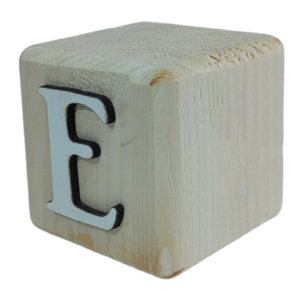
Wood Cube Block Letter E (7cm x 7cm x 7cm)
R16.00







Reviews
There are no reviews yet.